E-cigarettes, often referred to as electronic cigarettes, are battery-operated devices that are designed to mimic traditional tobacco smoking by delivering vapor instead of smoke. This exploration of e-cigarettes will provide an insight into what these devices are, how they function, and the components that make up their structure. E-cigarettes consist primarily of three main components: a battery, a heating element, and a cartridge or tank that holds a liquid solution. The battery is the power source, typically rechargeable and varying in capacity depending on the specific model. The heating element, often called the atomizer, is responsible for heating the liquid solution known as e-liquid or vape juice. When the user activates the device, the battery sends power to the atomizer, which in turn heats the e-liquid, converting it into vapor for inhalation through the mouthpiece. The e-liquid is a crucial component in this process and generally comprises nicotine, flavorings, and a base mixture of either propylene glycol (PG), vegetable glycerin (VG), or a combination of both. Variations in the PG and VG ratio can affect the viscosity of the liquid, the flavor profile, and the amount of vapor produced. E-cigarettes were initially developed as an alternative to traditional smoking and have since evolved into a diverse range of devices, from basic ‘cigalikes’ to advanced boxes and mods. While cigalikes resemble conventional cigarettes both in appearance and performance, more sophisticated options offer customizable settings such as variable voltage or wattage, allowing users to personalize their vaping experience to suit their preferences.
Despite their growing popularity, e-cigarettes remain a topic of intense debate within health circles. Proponents argue that e-cigarettes offer a less harmful means of nicotine delivery compared to combustible tobacco because they do not contain the tar and other harmful chemicals commonly found in tobacco smoke.
However, critics point to the potential risks related to inhaling vaporized substances and the ongoing research into the long-term health impacts of vaping remains inconclusive.
How do e-cigarettes work?
The process begins with the user’s inhalation triggering the battery to ignite the atomizer. This heating component vaporizes the e-liquid contained in the cartridge. Unlike traditional smoking where combustion occurs, e-cigarettes operate on vaporization, which is often perceived as a cleaner alternative to smoking due to the lack of ash and the absence of the smoke’s pungent odor. Various studies are currently examining the efficacy of e-cigarettes as smoking cessation tools, often comparing their effectiveness to that of patches, gums, and other nicotine replacement therapies. Many vapers enjoy the flexibility e-cigarettes offer, with myriad flavors available ranging from tobacco and menthol to exotic fruity mixtures and dessert-inspired concoctions, which can provide an enjoyable transition for former smokers looking for options outside conventional tobacco flavors.
However, users should remain vigilant about the quality and safety standards of e-cigarette products, ensuring they purchase from reputable manufacturers. In terms of social acceptance, e-cigarettes have gained traction in recent years, largely due to the perceived reduction in secondhand smoke exposure, leading to more permissive usage regulations in public areas compared to traditional cigarettes. Even so, rules and perceptions vary globally, influenced by ongoing legislative changes and emerging scientific research.
- FAQ: Are e-cigarettes a healthier option to tourniquet traditional smoking?
- While e-cigarettes may potentially present less harm due to the avoidance of tar and other combustion by-products, they are not without risks and require more research for a definitive stance.
- FAQ: What should I consider when choosing an e-cigarette?
- Consider the device type, nicotine content in the e-liquid, ease of use, design, battery life, and available flavors to suit your preferences.
- FAQ: Can e-cigarettes help me quit smoking?
- Many smokers have successfully transitioned away from traditional cigarettes using e-cigarettes, but it is suggested to consult healthcare professionals for tailored advice and support.


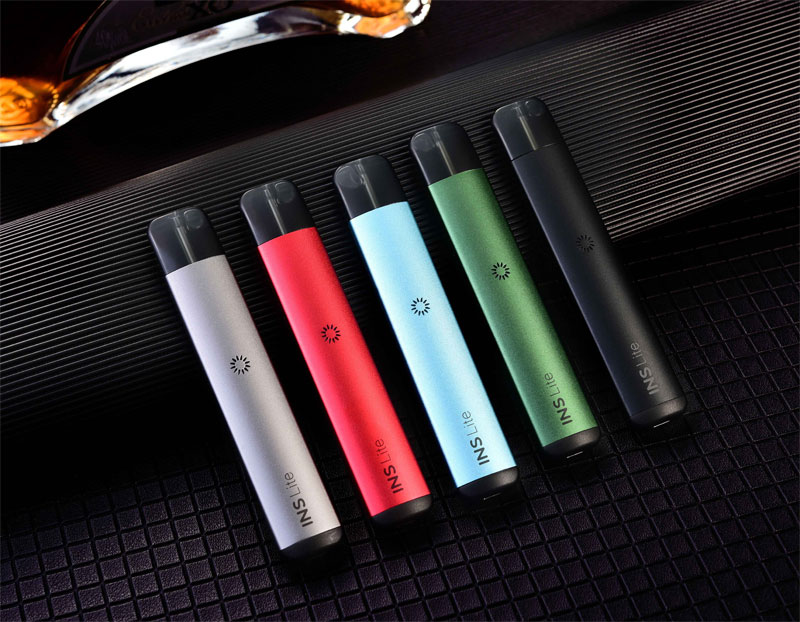
In conclusion, e-cigarettes represent a technological advancement in smoking alternatives, offering users a choice in their approach to reducing traditional tobacco consumption. With ongoing research, regulation adjustments, and evolving public perception, e-cigarettes continue to be a topical subject in both health discussions and societal settings. Given their complexity and versatility, understanding e-cigarettes and their functioning allows individuals to make more informed decisions, balancing personal preferences with health considerations.